For many, the holidays are a whirlwind of vibrant decorations, shared meals, and sacred rituals. But for the elderly, these dates on the calendar carry a much deeper weight. As we age, the risk of social isolation increases, making the act of boosting senior mental health through cultural and religious continuity more vital than ever.
Maintaining traditions isn’t just about nostalgia; it is a powerful psychological anchor that combats loneliness and preserves a sense of self.
Silent Crisis: Loneliness in the Golden Years
The transition into later life often involves significant changes such as retirement, the loss of peers, or decreased mobility. These factors contribute to a growing public health concern:
According to the World Health Organization, approximately 1 in 4 older adults are socially isolated, a condition linked to a 50% increased risk of developing dementia (Source: WHO).
Research indicates that social isolation is as damaging to health as smoking 15 cigarettes a day.
Holidays can amplify these feelings of “aloneness,” but they also provide the perfect opportunity to intervene.
When seniors participate in long-held religious or cultural rituals like a Good Friday service or a traditional family recipe, they experience cultural continuity. This is the feeling that their past, present, and future are linked.
Benefit: This sense of history helps seniors feel valued and “moored” to the world, reducing the anxiety that often comes with the rapid changes of aging.
2. Cognitive Stimulation Through Ritual
Rituals are often multi-sensory. The smell of incense, the sound of specific hymns, or the tactile experience of holiday baking can trigger “reminiscence therapy.”
Science: A study published in Alzheimer’s & Dementia found that seniors who regularly engage in social and community activities, including religious services, developed memory impairments an average of five years later than those who were less active (Source: Alzheimer’s Info).
3. Reducing Depression via Spiritual Connection
For many, faith is a primary coping mechanism.
Data: Research in the Journal of Religion and Health shows that high levels of spiritual engagement correlate with lower symptoms of anxiety and depression. It provides a “protective barrier” against the existential stress that can occur in later years (Source: Supportive Care).
How to Help Seniors Stay Connected During This Holiday Season
If your loved one has limited mobility or lives in a care facility, you can still bring the holiday to them:
Modify, Don’t Cancel: If they can’t attend a long church service, stream it online together.
Power of Storytelling: Ask them to describe a holiday from their childhood. This validates their role as the family “historian.”
Safety & Inclusion: Ensure they feel safe participating. Knowing help is a button-press away can give them the confidence to engage in family gatherings without fear of a fall or medical emergency.
At its core, boosting senior mental health is about more than just “keeping busy.” It’s about ensuring our elders feel their presence in family traditions is irreplaceable.
Through religious services, shared meals, or music, these rituals provide the emotional stability seniors need to thrive. By prioritizing these connections, we don’t just honor their past; we give them a reason to look forward to the future.
Good Friday Deal: Get FREE Shipping On Your Top-Rated Medical Alert Devices
This holiday season, celebrate with the confidence that your loved one is protected. Whether they are attending a community event or enjoying a quiet tradition at home, our SafeLynk devices ensure they are never truly alone.
Our holiday promotion is here for a limited time. Ensure your gift arrives in time for the long weekend without paying a cent for shipping.
Good Friday Special For Your Aging Parent’s: Gift Of 24/7 Protection
If you’re finding that a full night’s sleep feels like a distant memory, you are absolutely not alone! Many older adults notice their dozing patterns changing. You might be falling asleep earlier, waking up before dawn, or experiencing several awakenings throughout the night.
It’s a common misconception that seniors need less sleep. The truth is, adults still need 7 to 9 hours of sleep per night, regardless of age. While some changes are a normal part of aging, chronic poor sleep can significantly impact your health, mood, and safety. Let’s dive into why this happens and, more importantly, what you can do about it!
Why Does Sleep Change as We Age?
Our body’s internal clock, or circadian rhythm, naturally shifts as we get older. You might find yourself ready for bed earlier and waking up earlier – a phenomenon called “phase advance.” Beyond that, the architecture of your sleep itself changes:
Less Deep Sleeping: You spend less time in the deep, restorative stages of sleep (NREM Stage 3/4). This means you become a “lighter” sleeper and are more easily woken up.
Increased Nighttime Awakenings: Older adults wake up, on average, 3 to 4 times per night. Causes can include pain, anxiety, or the need to use the restroom (nocturia).
Hormone Shifts: The natural decrease in your body’s melatonin, the hormone that signals it’s time to sleep, can throw off your dozing-wake cycle.
Sleep Statistics for Seniors: Did You Know?
Statistic
Fact
Source Context
Up to 75%
Older adults experience symptoms of insomnia.
Insomnia is the difficulty falling or staying asleep.
20–60%
Older adults report taking daytime naps.
Napping is often an attempt to compensate for poor overnight rest.
46%
Of Medicare enrollees take five or more medications.
Polypharmacy (taking multiple drugs) is a major contributor to sleep issues.
80%
in older adults is affected by Nocturia (nighttime urination).
This is a leading cause of frequent awakenings.
7 Practical Tips for Better Rest Tonight
Good sleep isn’t a luxury; it’s a necessity! The key is to commit to excellent sleep hygiene. These simple, consistent steps can make a big difference:
1. Keep a Consistent Schedule
Go to bed and wake up at the same time every day, including weekends. This reinforces your body’s natural internal clock.
Aim for your 7–9 hours, but remember that consistency is just as important as duration.
2. Perfect Your Sleeping Sanctuary
Your bedroom should be cool, dark, and quiet. Experts often recommend a cooler temperature, around 65•F to 68•F.
Reserve your bed only for sleep and intimacy. Avoid working, eating, or watching TV in your bed.
3. Watch What and When You Eat/Drink
Limit Caffeine and Alcohol: Both can disrupt sleep, especially if consumed within 6 hours of bedtime. Even small amounts of alcohol can reduce time spent in deeper, restorative sleep stages.
Avoid Large Meals: Try not to eat heavy, fatty, or spicy meals within 2–3 hours of sleep. Opt for a light snack if you’re hungry.
Reduce Evening Fluids: To combat nocturia, try to limit fluid intake a couple of hours before bed.
4. Get Daytime Light and Movement
Daylight Exposure: Get outside or sit by a window for natural light, especially in the morning. This is crucial for regulating your circadian rhythm.
Regular Exercise: As little as 30 minutes of aerobic exercise a day can improve sleep quality. However, avoid vigorous exercise within 1-2 hours of bedtime, as it can be stimulating.
5. Create a Wind-Down Routine
Start a relaxing, screen-free routine 30–60 minutes before you want to fall asleep. This signals to your brain that it’s time to switch off.
Try: Gentle stretching, listening to soothing music, taking a warm bath, or reading a non-electronic book.
6. Ban the Blue Light
Tablets, phones, and laptops emit blue light that suppresses the production of melatonin, making it harder to feel sleepy. Disconnect from all electronic devices for at least 30 minutes before lights-out.
7. If You Can’t Sleep, Get Up
If you are tossing and turning for more than 20 minutes, get out of bed. Go to another room and do a quiet, relaxing activity (like reading or meditating) until you feel sleepy. The goal is to train your mind to associate your bed with sleeping, not struggling.
Peace of Mind for Better Sleep: SafeLynk Solution
Following the tips above will greatly improve your sleep, but what about the worries that keep you up? Many seniors (and their families) lose sleep due to the fear of a fall, a sudden health event, or being unable to call for help during the night.
This is where a trusted Medical Alert Device like SafeLynk Devices can offer unparalleled peace of mind, a powerful ingredient for restorative sleep.
SafeLynk Smart Watch and Locket are more than just emergency buttons; they are discreet, 24/7 links to safety. Imagine going to bed knowing that:
You Have a Direct Line to Help: If you wake up disoriented, experience a health issue, or fall while getting up to use the restroom, a simple press of the button instantly connects you to trained professionals. No need to fumble for a phone.
Automatic Fall Detection: Many SafeLynk models offer automatic fall detection. If you have a tumble in the dark, the device calls for help even if you can’t. This is especially comforting when you are sleeping alone.
Health Monitoring: The Smart Watch can even track basic vitals, which can be useful information for your family or emergency responders.
Worry is a major sleep thief. By providing a constant, reliable safety net, SafeLynk Medical Alert Device helps you exchange anxiety for security. That peace of mind is what lets you truly relax and slip into the deep, restful sleep you need and deserve.
Ready to stop losing sleep over safety? Learn more about SafeLynk Smart Watch and Locket and discover the comfort of 24/7 protection.
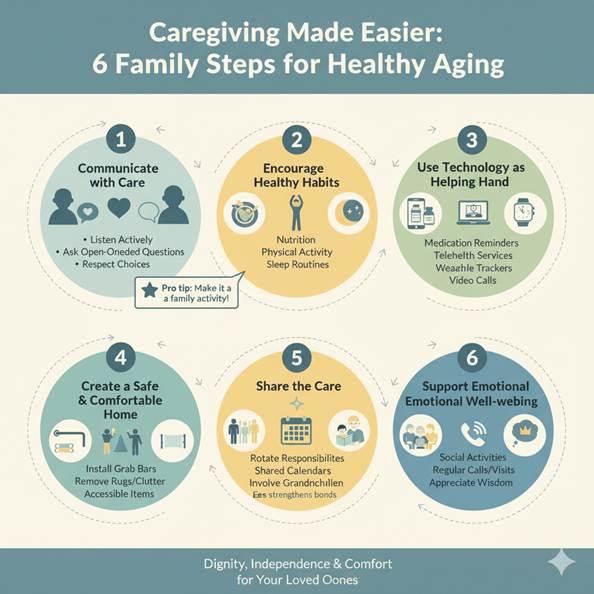
Aging is a natural part of life, but for many families, it brings new responsibilities. Parents who once cared for us now need our support — and while caregiving can feel overwhelming, it doesn’t have to be. With the right approach, families can make healthy aging not only possible but joyful.
Here’s how to make caregiving easier while ensuring dignity, independence, and comfort for your loved ones.
Step 1: Communicate with Care
Healthy aging starts with honest conversations. Parents may hesitate to express what they need, fearing they’ll be a burden. Families should:
Listen actively – Let parents share their concerns without interruption.
Ask open-ended questions – “What would make your day easier?” instead of “Are you okay?”
Respect their choices – Even if you disagree, allow parents to have a say in their care.
Step 2: Encourage Healthy Habits
Small lifestyle changes go a long way in keeping parents active and independent. Support them by:
Nutrition – Cook balanced meals or arrange meal-delivery options.
Physical activity – Encourage walking, yoga, or light stretching.
Sleep routines – Help them set a calm evening schedule for better rest.
Pro tip: Make it a family activity — join them for evening walks or cook healthy recipes together.
Step 3: Use Technology as a Helping Hand
Technology doesn’t replace love, but it can reduce stress for everyone. Consider:
Medication reminders (like camera-based apps) to avoid missed doses.
Telehealth services for quick doctor consultations.
Wearable trackers that monitor heart rate, steps, or sleep.
Video calls to keep parents connected with relatives and friends.
Step 4: Create a Safe and Comfortable Home
Home safety is essential for aging parents. Simple adjustments can prevent accidents:
Install grab bars in bathrooms.
Ensure good lighting in hallways and stairs.
Remove loose rugs or clutter to avoid falls.
Place frequently used items within easy reach.
Step 5: Share the Care
Caregiving is not a solo job — it works best as a team effort. Families can:
Rotate responsibilities – Share grocery runs, appointments, and daily check-ins.
Use shared calendars – Keep track of visits, medications, and appointments.
Involve grandchildren – Kids can read, play games, or simply keep grandparents company.
This teamwork eases stress and strengthens family bonds.
Step 6: Support Emotional Well-being
Healthy aging is not just physical; it’s also emotional. Loneliness is common among seniors. Families can:
Encourage social activities like clubs or religious gatherings.
Set up regular calls or visits.
Remind them of their value by appreciating their wisdom and experience.
Quick Comparison: Stressful vs. Supportive Caregiving
Stressful Approach
Supportive Approach
One person carries all responsibility
Family shares tasks
Parents feel dependent
Parents feel included
Reactive (fixing problems)
Proactive (preventing problems)
Tech avoided
Tech embraced wisely
Focus on illness
Focus on wellness
Real-Life Example
Ritu, 45, used to feel burned out managing her mother’s diabetes alone. Once she involved her siblings — one handled doctor visits, another managed medication apps, and Ritu focused on meals caregiving became lighter. Most importantly, her mother felt cared for, not controlled.
Final Takeaway
Caregiving doesn’t have to drain families. It can enrich relationships. By combining open communication, healthy routines, smart use of technology, and shared responsibilities, families can support parents in living healthier, happier, and more independent lives.
Healthy aging isn’t just about adding years to life, it’s about adding life to years.
Aging is inevitable but how we age makes all the difference. The World Health Organization (WHO) defines healthy aging as “the process of developing and maintaining the functional ability that enables well-being in older age.” In simple terms, it’s not just about adding years to life, but adding life to years.
Thanks to advances in medicine, people are living longer than ever. But longevity without quality can feel hollow. The key is adopting habits that keep the body strong, the mind sharp, and the spirit connected.
Why Healthy Aging Matters – Healthy Aging Tips
Research shows that lifestyle choices can influence up to 70% of how we age, while genetics account for about 30%. This means that small, intentional changes—like eating well, staying active, and engaging socially—can dramatically improve independence and quality of life in later years.
A long-term study published in The Lancet found that seniors who maintained healthy habits had lower risks of chronic diseases, better mobility, and improved cognitive function. In other words, healthy aging is achievable—and it’s never too late to start.
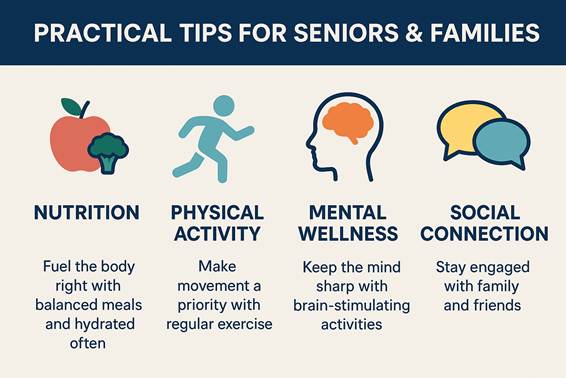
The Four Pillars of Healthy Aging
1. Nutrition: Fueling the Body Right – Healthy Aging Tips
A balanced diet supports energy, immunity, and mental sharpness. Seniors often need fewer calories but more nutrients.
Focus on: Fruits, vegetables, whole grains, lean proteins, and omega-3-rich foods (like salmon or flaxseed).
Limit: Processed foods, added sugars, and excess sodium.
Science says: The Mediterranean diet has been linked to lower risks of dementia and heart disease.
Practical tip: Use mySeniorCareHub’s meal planner to track nutrition, discover senior-friendly recipes, and set hydration reminders.
2. Physical Activity: Movement is Medicine – Healthy Aging Tips
Exercise is one of the most powerful “anti-aging” tools. Regular movement helps maintain balance, flexibility, and bone strength while reducing the risk of chronic illnesses.
WHO recommends: At least 150 minutes of moderate activity weekly.
Options: Walking, light strength training, yoga, or even dancing.
Story: A 72-year-old user of mySeniorCareHub shared how daily 20-minute walks not only improved her blood pressure but also lifted her mood.
Practical tip: The mySeniorCareHub app lets families set personalized fitness goals and track progress together.
3. Mental Wellness: Keeping the Mind Sharp – Healthy Aging Tips
Aging well isn’t only physical. Mental health and cognitive resilience are just as important.
Brain boosters: Reading, puzzles, music, or learning new skills.
Mindfulness & sleep: Meditation and adequate rest improve focus and reduce stress.
Science says: Studies show that seniors who stay mentally active lower their risk of cognitive decline by up to 30%.
Practical tip: mySeniorCareHub offers brain games and memory exercises that make daily practice fun and trackable.
4. Social Connection: The Hidden Superpower – Healthy Aging Tips
Loneliness is often called the “silent epidemic” among seniors, linked to higher risks of depression, heart disease, and dementia.
Stay connected: Regular calls, group activities, volunteering, or community programs.
Science says: A Harvard study spanning 80 years found that strong relationships are the single biggest predictor of happiness and longevity.
Practical tip:mySeniorCareHub’s “Community Connect” feature helps seniors join interest-based groups, schedule family video calls, and track social engagement.
At a Glance: Keys to Healthy Aging
Pillar
What to Do Daily
Backed by Science?
Nutrition
Balanced meals, hydrate often
Mediterranean diet lowers disease risks
Physical Activity
Walk, stretch, strength train
WHO: 150 mins/week reduces chronic illness
Mental Wellness
Read, play games, practice mindfulness
Cognitive activity lowers dementia risk
Social Connection
Stay engaged with family/friends
Harvard study: relationships = longevity
How Families Can Support Seniors
Healthy aging is not a solo journey. Families play a vital role in encouraging habits, checking in regularly, and helping seniors stay accountable. With the mySeniorCareHub app, families can:
Set reminders for medication, meals, and hydration.
Monitor wellness dashboards remotely.
Celebrate milestones like completing fitness goals or maintaining sleep routines.
Live Your Golden Years with Pride
Healthy aging isn’t about perfection—it’s about consistency. By focusing on nutrition, activity, mental wellness, and social connection, seniors can enjoy greater independence and joy in later years. And with tools like mySeniorCareHub, families have a trusted companion to make these practices easier and more engaging.
Aging gracefully is less about fighting time, and more about living well within it.
Metabolism is the process by which your body converts food into energy. It includes everything from breaking down nutrients to fuelling your cells and maintaining vital functions like breathing, circulation, and digestion. Our metabolism gradually slows down with age, making it more difficult to maintain a healthy weight and high energy levels.
A slow metabolism can affect a senior’s general health by making daily tasks feel more taxing and possibly causing weight gain or digestive problems. The good news is that metabolism can change! The right lifestyle changes covered in this article can help you feel more energized and live a longer life.
What Slows Down Metabolism in Seniors?
1. Loss of Muscle Mass
Muscles play a key role in burning calories, even at rest. After the age of 30, there is a gradual decline in muscle mass, which leads to a slower metabolism. This condition, known as sarcopenia, becomes more pronounced in seniors, particularly if they do not engage in regular strength-based activities.
2. Hormonal Changes
Aging affects key hormones that regulate metabolism:
Thyroid Hormones (Hypothyroidism): A sluggish thyroid reduces energy production, leading to slower metabolism.
Insulin Resistance: Cells become less responsive to insulin, causing weight gain and reduced metabolic efficiency.
Water is essential for digestion and energy production. When the body is dehydrated, its metabolism slows down and it is unable to burn calories effectively. Staying hydrated keeps digestion smooth and energy levels up.
4. Genetics and Metabolism
Some individuals naturally have a slower metabolism due to genetic factors. If your body is slow at burning calories while you rest or sleep, you probably got that from your parents, through your genes.
5. Poor Dietary Habits
Skipping meals, inadequate protein intake, and overconsumption of processed foods can weaken metabolism over time. Seniors who eat irregularly or rely on refined carbohydrates (such as white bread or sugar) may experience further metabolic decline.
6. Lack of Sleep
Sleep plays a crucial role in metabolism. Poor sleep quality disrupts hunger-regulating hormones (ghrelin and leptin), leading to increased cravings, reduced energy expenditure, and slower digestion.
7. Medications That Slow Metabolism
Certain medications commonly prescribed to seniors can affect metabolic rate:
Beta-blockers (for high blood pressure): Reduce heart rate and overall energy expenditure.
Antidepressants and antipsychotics influence hunger hormones and slow weight regulation.
Steroids (for inflammation/arthritis): Increase fat storage and reduce muscle retention.
Diabetes medications (such as insulin or sulfonylureas) may contribute to weight gain and altered energy use.
8. Chronic Conditions Affecting Metabolism
Medical conditions that interfere with energy metabolism include:
Diabetes: Alters glucose processing, leading to imbalanced energy use.
Arthritis and Joint Pain: Reduced mobility leads to lower calorie expenditure.
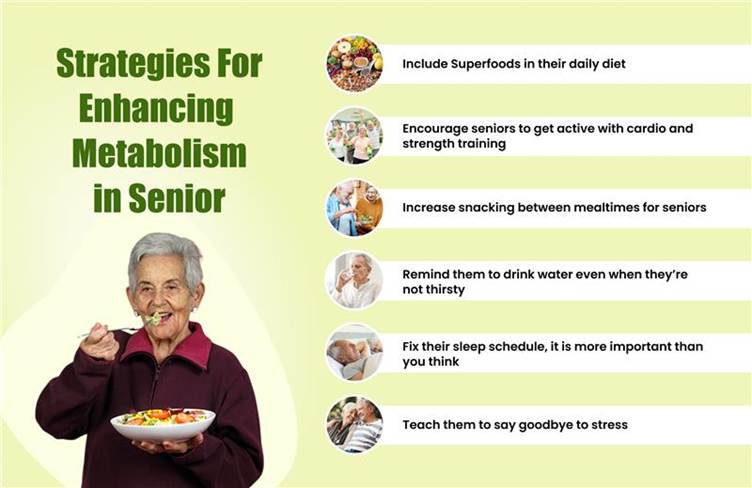
Instead of skipping meals, try eating smaller portions throughout the day. This keeps your metabolism active and prevents the body from going into “starvation mode,” where it starts storing fat instead of burning it.
2. Stay Hydrated
Drinking enough water is one of the easiest ways to support metabolism. It helps the body break down food efficiently and transport nutrients. Try sipping warm water or herbal teas, which are gentle on digestion.
3. Move More, Even in Small Ways
You don’t have to do intense workouts—gentle activities like walking, stretching, or even standing up more often can keep your metabolism engaged. Simple movements throughout the day prevent the body from slowing down its energy use.
4. Include Protein in Your Diet
Protein-rich foods like lentils, beans, dairy, and nuts help maintain muscle mass, which naturally declines with age. More muscle means a faster metabolism, as the body burns more calories to maintain it.
5. Prioritize Sleep
Good sleep isn’t just for rest—it helps regulate the body’s metabolism. Try to maintain a regular sleep schedule and create a relaxing bedtime routine to improve sleep quality and support healthy digestion.
6. Manage Stress Levels
Chronic stress leads to the release of cortisol, a hormone that can slow metabolism and encourage fat storage, especially around the belly. Simple activities like deep breathing, listening to music, or spending time with loved ones can help keep stress levels in check.
7. Strengthen Your Muscles
As we age, we naturally lose muscle mass, which slows down metabolism. Gentle strength exercises, like lifting light weights or using resistance bands, can help maintain muscle and keep your metabolism active. Even daily household chores, like gardening or carrying groceries, can contribute to muscle strength.
8. Spice Up Your Meals
Certain spices, like ginger, cinnamon, and black pepper, can give your metabolism a gentle boost. They improve digestion and may even help the body burn calories more efficiently. Adding these to soups, teas, or meals is a simple way to support metabolic health.
9. Get Enough Vitamin D
Vitamin D plays a crucial role in metabolism and muscle function, but many seniors don’t get enough of it. Sunlight exposure fortified dairy products, and supplements (if recommended by a doctor) can help maintain healthy levels.
10. Don’t Skip Breakfast
Starting your day with a nutritious meal helps wake up your metabolism. Skipping breakfast can make the body conserve energy instead of burning it. opt for easy-to-digest foods like oatmeal, yogurt, or whole-grain toast to give your metabolism a gentle boost in the morning.
11. Cut Down on Sugary and Processed Foods
Foods high in sugar and unhealthy fats slow down metabolism and can lead to weight gain. Instead, choose natural, whole foods like fruits, vegetables, nuts, and lean proteins to keep your body energized and digestion smooth.
12. Maintain a Routine
Having a consistent daily routine for eating, sleeping, and exercising helps regulate metabolism. The body thrives on a predictable schedule, making it easier to burn energy efficiently. Try to eat meals at the same time each day and set a regular bedtime.
13. Enjoy Green Tea or Herbal Infusions
Green tea and herbal infusions like chamomile or peppermint can support metabolism. These drinks are also soothing and help with digestion, making them a great addition to a senior-friendly diet.
14. Stay Socially Active
Engaging in social activities, whether it’s chatting with friends, joining a community group, or playing board games, can help keep your mind and body active. Social engagement reduces stress and encourages movement, both of which support a healthy metabolism.
15. Listen to Your Body
Every individual’s metabolism is different. Pay attention to how your body responds to food, activity, and rest. If you often feel sluggish or notice unexpected weight changes, it may be a sign to adjust your routine or consult a healthcare professional for guidance.A slower metabolism is a natural part of aging, but small, consistent efforts can keep it running efficiently. By adopting these simple lifestyle changes, seniors can keep their metabolism running smoothly and enjoy a more active, energetic life!
How mySeniorCareHub Can Help
At mySeniorCareHub, we understand seniors’ unique health challenges, including maintaining a healthy health. Our platform provides personalized health tracking, expert wellness tips, and digital tools to help you stay on top of your nutrition, hydration, and physical activity. With features like medication and hydration reminders, activity tracking, vital monitoring, and safety alerts, seniors can manage their health more effectively. Tools like livelocationsharing also ensure caregivers stay informed, providing an extra layer of safety. With easy-to-use features, you can monitor your progress and make informed lifestyle choices for better health, energy, and well-being.
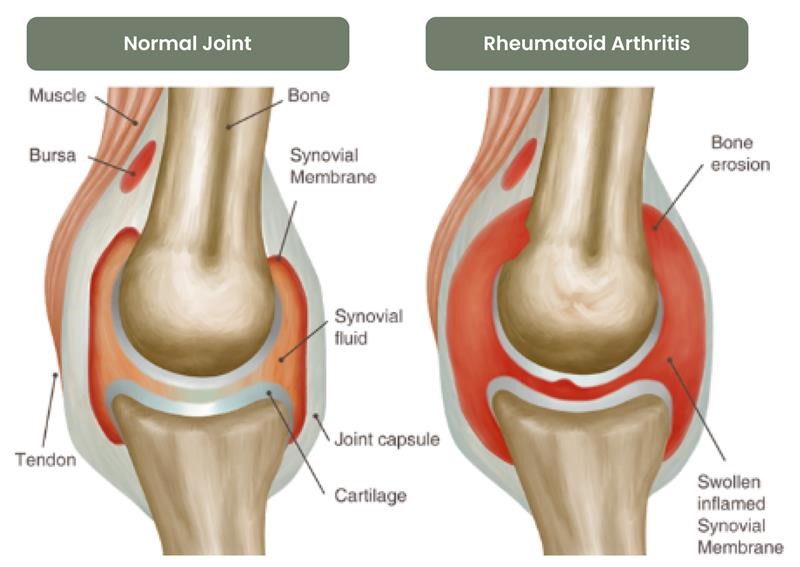
Imagine waking up early in the morning eager to start your day, but the first step out of bed sends a sharp pain through your knees. Simple tasks like buttoning a shirt or holding a cup of tea can feel like a struggle. If this sounds familiar, often you’re not alone. Arthritis affects millions of seniors, making daily activities challenging and sometimes frustrating.
The good news is that you do not have to let arthritis rule your life. With the right approach, you can manage your pain, improve your mobility, and continue doing the things you enjoy, such as playing with your grandchildren, tending to your garden, or taking a peaceful evening walk. This guide will explain effective treatments and lifestyle changes that will allow you to live comfortably and be physically active despite your arthritis.
Recognizing the Signs and Symptoms
Arthritis does not develop overnight; it begins with small, subtle changes. Maybe your fingers feel stiff when you first wake up, or your knees ache after a short walk. At first, you might brush it off, thinking it’s just a part of aging. But over time, the discomfort lingers, making even simple tasks feel harder than they used to be.
Here’s how arthritis typically begins:
Morning Stiffness: Joints feel tight and sore when you wake up but loosen up after some movement.
Persistent Joint Pain: A dull ache or sharp pain that lingers, especially in the knees, hands, hips, or lower back.
Swelling and Warmth: Affected joints may look puffy and feel tender to the touch.
Limited Movement: difficulty bending, reaching, or gripping objects that once felt easy.
Weather sensitivity: Pain may worsen in cold or damp weather.
Ignoring these signs won’t make them go away. The sooner you recognize arthritis symptoms; the sooner you can take steps to manage them. If you or a loved one notice these changes, it’s time to consult a doctor and explore ways to keep joints healthy and active.
Medical Treatments for Arthritis: What Works and Why
“I don’t want to rely on painkillers forever.” “Are there safer ways to manage arthritis?” “When should I consider surgery?”
If these questions sound familiar, you’re not alone. The goal of managing arthritis is to find the best strategy that keeps you active and self-sufficient, not just to cover up your discomfort. Let’s explore the approach:
Step 1: Adhere to Your Medications as Prescribed by Your Doctor
Your doctor prescribes medications for a reason—to help manage pain and inflammation effectively. Acetaminophen can ease mild discomfort, while NSAIDs (such as ibuprofen) help reduce swelling. For severe pain, corticosteroid injections may provide temporary relief, but they should be used cautiously. Always follow your doctor’s advice to get the best results.
Step 2: Move Smartly with Physical Therapy
Think of movement as medicine. A physical therapist can teach gentle exercises to strengthen muscles, improve flexibility, and reduce stiffness. If regular workouts feel tough, water therapy can be a great alternative.
Step 3: When Surgery Becomes an Option
If arthritis makes walking or simple activities unbearable, joint replacement (hips, knees) can restore movement and reduce pain significantly. It’s a big step, but it has helped many seniors regain their freedom.
Key Takeaway: Not all treatments work the same for everyone. The best plan combines medical support with lifestyle changes—so you can keep doing what you love without being held back by arthritis.
Your Daily Guide to Managing Arthritis Pain with the Right Diet and Lifestyle
Morning Routine: Start Your Day Right Warm Up Your Joints: Do gentle stretches before getting out of bed. Take Your Prescribed Medications: Stick to your doctor’s schedule. Boost with Anti-Inflammatory Breakfast: Try:
Oatmeal with chia seeds and walnuts (rich in omega-3s)
Scrambled eggs with turmeric and spinach (anti-inflammatory)
A smoothie with berries, flaxseeds, and Greek yogurt (for antioxidants & calcium)
Daytime: Stay Active and Nourish Your Joints Go for a Short Walk: Keeps joints mobile without strain. Midday Meal for Joint Health: Include:
Fatty fish (salmon, sardines): Omega-3s help reduce joint inflammation.
Leafy greens (kale, spinach, broccoli): Rich in vitamin K and antioxidants.
Quinoa or whole grains: Provide fiber and reduce inflammation.
Supplements to Consider(Consult your doctor before taking any!)
Glucosamine & Chondroitin: may support cartilage health.
Vitamin D & Calcium: Essential for bone strength.
Turmeric (curcumin): Known for its anti-inflammatory properties.
Omega-3 Fish Oil: Helps with joint lubrication.
Evening: Wind Down and Recover Apply ice packs if needed: Reduces swelling after a long day. Gentle yoga or stretching eases stiffness and promotes relaxation. Dinner for Joint Recovery: Include:
Lentil soup with garlic and turmeric: anti-inflammatory benefits.
Grilled tofu or paneer with roasted vegetables provides protein and essential nutrients.
Warm herbal tea (ginger or green tea): reduces inflammation and soothes the body.
Sleep Well for Better Joint Health
The secret to controlling arthritis pain is getting a good night’s sleep. A supportive mattress and pillows help keep joints comfortable, and placing a pillow between your knees can ease pressure.
Before bed, a warm bath, mild stretches, or herbal tea can help loosen up tense joints. Keep your room cool and dark for better sleep. Avoid caffeine, excessive screen time, and uncomfortable sleeping positions to prevent strain in the joints. If joint pain is waking you up at night, consider using a heating pad or gentle massage before bed to relax sore muscles. Making these small adjustments can lead to better sleep, which in turn helps reduce pain and improve overall well-being.
Are You Taking Too Much Stress?
Regular checkups with your doctor are essential for managing arthritis and preventing further joint damage. These visits help track your progress, adjust medications if needed, and explore new treatment options like physical therapy. If you notice increased pain, swelling, or stiffness, don’t ignore it—early intervention can make a big difference.
Stress can also worsen arthritis symptoms, so incorporating relaxation techniques like deep breathing, yoga, or meditation can help. Staying socially connected, engaging in hobbies, and prioritizing mental well-being can improve overall health and make managing arthritis easier. Taking charge of both physical and emotional health ensures better mobility and a more active lifestyle.
Simple Home Remedies for Joint Relief
Small, natural remedies can provide comfort and ease arthritis pain. Applying a warm compress helps relax stiff joints, while a cold pack reduces swelling and inflammation. Gentle massages with essential oils like eucalyptus or peppermint may also offer relief.
Epsom salt soaks can soothe sore joints, and turmeric tea, known for its anti-inflammatory properties, can be a great addition to your daily routine. Simple lifestyle tweaks, when combined with medical care, can make a noticeable difference in managing arthritis discomfort.
Embracing a Joint-Friendly Lifestyle
Developing a lifestyle that promotes your well-being is more important for managing arthritis than simply seeking treatment. Small daily habits, like maintaining good posture, using assistive tools for joint support, and wearing comfortable, supportive footwear, can prevent unnecessary strain on your joints.
Staying positive and patient with yourself is just as important. Even though progress may be gradual, every effort, whether it be a quick stroll, a nutritious meal, or some downtime, adds up to a more comfortable and healthy life.
To make managing arthritis even easier,mySeniorCareHub provides a comprehensive healthcare ecosystem tailored for seniors. From medication reminders and keeping your reports in one place to exercise recommendations and checking interactions between your medications, it supports every aspect of senior well-being. mySeniorCareHub makes sure you are never alone on your journey, whether you need assistance keeping track of your symptoms, staying in touch, or discovering new lifestyle tips that are friendly to people with arthritis.
Arthritis may slow you down, but with the right care and mindset, it will never stop you—keep moving, keep living, and keep thriving.
Nutrients for Seniors – Know the Right Food for You
Mr. Sharma, a retired 72-year-old teacher, always believed eating home-cooked meals was enough to stay healthy. But lately, he has felt exhausted, struggled with muscle cramps, and even had occasional dizzy spells. His daughter was worried and took him to the doctor, who found that he was deficient in magnesium and vitamin B12, which are essential for muscle and energy function. Like Mr. Sharma, many seniors unknowingly suffer from nutrient deficiencies, affecting their overall well-being.
Maintaining nutritional balance in old age is a formidable challenge. As we age, our bodies undergo changes that hinder nutrient absorption and intake. Nearly 20–30% of older persons suffer with anorexia of aging, a normal decrease in appetite that makes it challenging for them to achieve their nutritional demands. Eating can be difficult due to digestive problems, decreased salivation, and dental problems; changes in taste and smell further reduce the appealing nature of food.
Without proper nutrition, seniors face weakened immunity, muscle loss, and a higher risk of chronic diseases. So, how do you know if you’re not facing any nutritional deficiencies? Let’s explore the common deficiencies that one should never ignore in old age and how to overcome them.
1. Vitamin D: The Sunshine Vitamin – Nutrient for vitamin D deficiency
Mrs. Nair, a 68-year-old retired librarian, loved reading by her window but rarely stepped outside. Over time, she began experiencing joint pain and frequent colds. A routine check-up revealed she had a severe vitamin D deficiency, a common issue among seniors due to reduced sun exposure and decreased skin efficiency in producing this vital nutrient. Vitamin D helps the body absorb calcium. Low levels can lead to osteoporosis, frequent infections, and even mood disturbances.
Signs of deficiency:
Fatigue and muscle weakness
Joint pain or bone fractures
Frequent colds or infections
Sources: The best source is sunlight, but seniors often need dietary sources like fortified dairy products, mushrooms, egg yolks, and supplements if levels are too low.
For Mrs. Nair, simple lifestyle changes—like daily morning walks and vitamin D-fortified foods—helped her regain strength and immunity.
2. Vitamin B12: The Energy and Memory Booster – Nutrient forVitamin B12 deficiency
Mr. Kapoor, a 70-year-old retired banker, started forgetting small things—where he kept his glasses, his neighbour’s name, even whether he had taken his morning medicine. Initially, he dismissed it as normal aging, but when he took consultation, his doctor ran some tests. The culprit? Vitamin B12 deficiency.
Why it matters: Vitamin B12 is crucial for nerve function, red blood cell formation, and cognitive health. This deficiency is common in seniors due to reduced stomach acid, which is needed to absorb B12 from food.
Signs of deficiency:
Memory lapses or confusion
Tingling or numbness in hands and feet
Dizziness and fatigue
Sources: Found mainly in dairy, eggs, fish, and fortified cereals, but since absorption declines with age, many seniors need B12 supplements or injections.
3. Calcium: The Bone Protector – Nutrient forcalciumdeficiency
At 69, Mrs. Mehta was an active grandmother who loved gardening. One day, while bending down to pick up a flowerpot, she felt a sharp pain in her back. A visit to the doctor revealed that she had osteopenia, a condition in which bones become weak due to calciumdeficiency. Shocked, she realized that despite drinking milk daily, she was suffering from calcium deficiency, indicating adulteration in milk or her body not absorbing enough calcium.
Why it matters: Calcium is essential for bone strength, muscle function, and heart health. As we age, our bones lose density, increasing the risk of osteoporosis and fractures. Women, especially after menopause, are at higher risk due to hormonal changes.
Signs of deficiency:
Frequent fractures or bone pain
Muscle cramps or weakness
Brittle nails and tooth decay
Sources: The best sources include milk, yogurt, cheese, leafy greens (like spinach and kale), almonds, and fortified plant-based milks. Seniors with low intakes may require calcium supplements along with vitamin D for better absorption.
4. Magnesium: The Relaxation Mineral – Nutrient for deficiency
Mr. Verma, a 73-year-old retired professor, often complained of restless nights and constant muscle cramps. He initially blamed it on aging, but when his fatigue and irritability worsened, his doctor tested his magnesium levels. The results? A significant deficiency—something surprisingly common among seniors.
Why it matters: Magnesium is crucial for muscle relaxation, nerve function, sleep quality, and heart health. Lacking in magnesium can lead to insomnia, muscle weakness, and even an irregular heartbeat. Many seniors unknowingly suffer from this deficiency due to poor diet, medication side effects, or reduced absorption.
Signs of deficiency:
Muscle cramps or twitches
Trouble sleeping or frequent headaches
Anxiety, irritability, or brain fog
Sources: Found in nuts (almonds, cashews), seeds (pumpkin, chia), whole grains, leafy greens, bananas, and dark chocolate. For severe deficiencies, magnesium supplements may be recommended.
5. Omega-3 Fatty Acids: The Brain and Heart Guardian – Nutrient forsharp memory
Mrs. Desai, a 75-year-old former principal of a school, always took immense joy in her sharp memory. However, she had trouble concentrating lately and often lost familiar names. The physician advised her to consume more omega-3 fatty acids, which are vital for the brain and heart.
Why it matters: Omega-3s play a critical role in reducing inflammation, supporting brain function, improving heart health, and even alleviating joint pain.
Signs of deficiency:
Memory problems or difficulty concentrating Joint stiffness and inflammation Dry skin and brittle hair
Sources: The best sources include fatty fish (salmon, mackerel, sardines), flaxseeds, walnuts, chia seeds, and algae-based supplements for vegetarians.
6. Iron: The Oxygen Transporter – Nutrient for iron deficiency anaemia
Mr. Raghavan, a 70-year-old retiree, always had a good appetite, but recently, he noticed feeling unusually tired even after a full night’s sleep. He also had trouble climbing stairs and often felt dizzy. After a visit to his doctor, he learned he had iron deficiency anaemia, a condition where the body doesn’t have enough iron to produce haemoglobin, the protein that carries oxygen in the blood.
Why it matters: Iron is vital for oxygen transport and energy production. When iron levels are low, it can cause fatigue, weakness, and even shortness of breath. Seniors are more prone to iron deficiency, especially those with conditions like gastric issues or chronic diseases that affect absorption.
Signs of deficiency:
Fatigue and weakness Shortness of breath or dizziness Pale skin and brittle nails
Sources: Rich sources include red meat, poultry, lentils, spinach, beans, and fortified cereals. For those with dietary restrictions, iron supplements may be recommended alongside vitamin C to boost absorption.
Other Important Nutrients for Seniors
Nutrient
Importance In Your Golden Years
Potassium
Helps maintain heart health and regulates blood pressure. Found in bananas, potatoes, and spinach.
Zinc
Boosts immunity, helps in wound healing, and supports cognitive function. Found in meat, shellfish, and legumes.
Vitamin C
Supports immune health and collagen production, essential for skin and bone health. Found in citrus fruits, bell peppers, and broccoli.
Vitamin A
Crucial for eye health, immune function, and skin. Found in carrots, sweet potatoes, and dark leafy greens.
Folate (Vitamin B9)
Supports cell division and DNA synthesis, important for brain and nerve health. Found in leafy greens, beans, and fortified cereals.
Ensuring proper nutrition in old age doesn’t have to be overwhelming. By making small, sustainable changes, seniors can prevent deficiencies and maintain good health.
Here are some practical strategies:
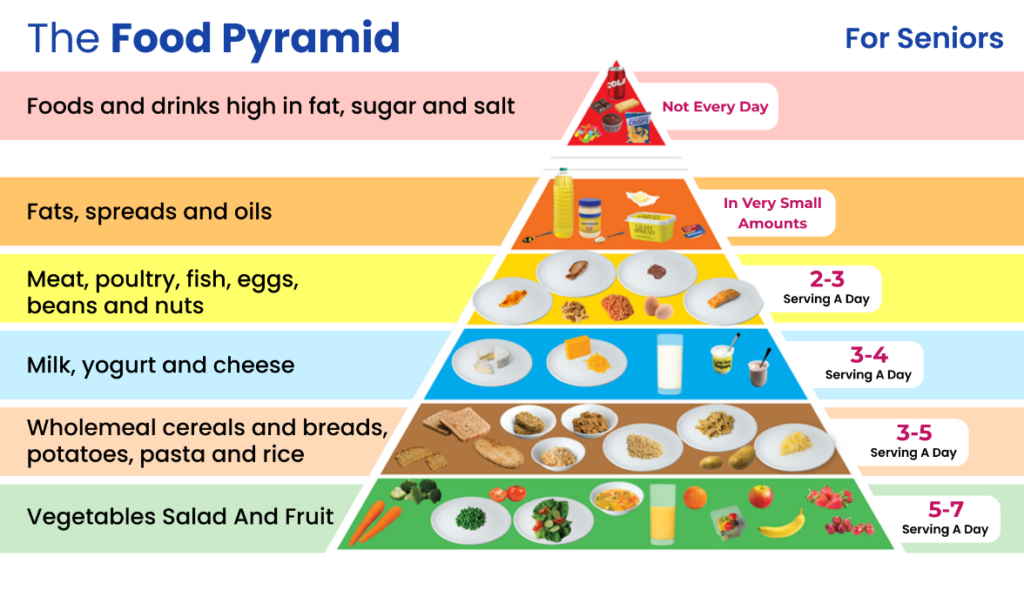
Follow the Food Pyramid Approach – A balanced diet should include a variety of foods from different groups. The base of the pyramid (grains, fruits, and vegetables) should make up most of the diet, followed by moderate portions of proteins (lentils, dairy, eggs, fish), and healthy fats (nuts, seeds, oils). Sugary and processed foods should be minimized.
Prioritize Nutrient-Dense Foods – Seniors should focus on foods rich in vitamins and minerals rather than empty calories. Opt for whole grains, lean proteins, leafy greens, and dairy instead of processed or fried foods.
Include Protein in Every Meal – Protein helps prevent muscle loss and keeps energy levels stable. Incorporate dairy, lentils, beans, eggs, or tofu into daily meals.
Stay Hydrated – Dehydration is common among seniors due to reduced thirst sensation. Encourage drinking water, herbal teas, and fresh juices, and consuming water-rich foods like fruits and soups.
Make Meals Social – Eating alone often leads to poor intake. Seniors can eat with family, join community meal programs, or invite friends over to make mealtimes enjoyable.
Use Supplements When Necessary – Some deficiencies, like Vitamin D or B12, may require supplements if dietary intake isn’t sufficient. Always consult a doctor before starting supplements.
Adapt Meals to Physical Needs – If chewing is difficult, opt for soft foods like mashed vegetables, yogurt, and smoothies. For seniors with cognitive decline, easy-to-prepare meals can help maintain proper nutrition.
Regular Health Check-ups – Routine tests for Vitamin D, B12, iron, and calcium levels can help detect deficiencies early, allowing for timely dietary adjustments or supplementation.
At mySeniorCareHub, we understand the unique challenges that seniors face when it comes to maintaining proper nutrition. Our app helps you to identify and monitor essential nutrients to ensure you’re meeting your dietary needs. With our Health Monitoring feature, you can track vital metrics like Blood Pressure and Blood Sugar, ensuring your nutritional intake is aligned with your overall health goals.
By utilizing mySeniorCareHub, you can stay on top of your nutrition, improve your well-being, and live a healthier, more independent life.
Tossing and turning all night? You’re not alone—especially if you’re in your golden years. Getting a full night’s sleep can feel like chasing a dream as we age. From changes in the body’s internal clock to chronic health conditions, sleep problems in seniors that rob them of the restorative rest they need. Older adults need about the same amount of sleep as all adults—7 to 9 hours each night to maintain their overall health and well-being. Sleep problems in seniors are more common than you think. As we age, our sleep cycles change, often leading to fragmented or poor-quality sleep that can affect overall health.
According to Deborah Freeland, M.D., an assistant professor of internal medicine and a member of UTSW’s Division of Geriatric Medicine, sleep deprivation has long-term health consequences that include high blood pressure, weight gain, stroke, heart attack, diabetes, memory issues, and even an increased risk of death, in addition to a lower quality of life.
In this article, we’ll explore why sleep becomes elusive as we age, the health risks associated with poor sleep, and practical ways to reclaim those precious hours of rest.
Why Does Sleep Get Harder With Age?
As we age, our bodies undergo changes that can interfere with our sleep patterns. The natural sleep-wake cycle, also known as the circadian rhythm, shifts, making it harder to stay asleep through the night. Seniors also tend to spend less time in the deep sleep stages, which means they wake up more easily. The production of hormones like cortisol and melatonin, which are essential for restful sleep, also declines.
On top of that, health problems like chronic pain, arthritis, or heart issues can make lying in bed uncomfortable. Conditions like insomnia, sleep apnoea, or restless legs syndrome add more hurdles to getting a restful night. Even medications for common health issues, like high blood pressure or depression, can interfere with sleep quality and duration.
Lifestyle factors also play a role—less physical activity during the day or long naps can throw off the body’s sleep schedule, making it harder to drift off at night and achieve deep sleep. Managing sleep problems in seniors begins with understanding the root causes, such as stress, medication, or underlying health conditions.
Health Risks of Poor Sleep in the Elderly
Your physical and mental well-being depends on sleep just as much now as it did in your youth. Your body can repair any cell damage that occurred during the day, increase focus and memory formation, and boost your immune system, all of which serve to prevent disease. Elderly people who don’t get enough sleep are more likely to develop heart disease, stroke, diabetes, and dementia. Additionally, it may affect mood, cognitive function, and everyday task performance.
A study in China looked at 496 older adults and found that poor sleep was linked to higher levels of anxiety and depression. Participants with poor sleep showed more anxiety and depression, and brain scans revealed changes in certain areas of the brain, suggesting that sleep deprivation might affect mental health and emotional well-being.
Health Issues and Their Connection to Poor Sleep
Health Issue
How Poor Sleep Contributes
Memory Problems
Increases forgetfulness, confusion, and risk of dementia.
Weakened Immunity
Makes it harder for the body to fight off infections.
Heart Issues
Raises the chances of high blood pressure, heart disease, and strokes.
Emotional Health
Worsens anxiety, depression, and overall mood instability.
Falls and Injuries
Fatigue increases the likelihood of falls and accidents.
Simple Ways to Sleep Better
Older adults should be cautious about using prescription sleep aids for long-term sleep issues. Many sleep aids contain diphenhydramine, which can cause harmful side effects such as confusion, memory issues, falls, constipation, and dry mouth. It is preferable to treat underlying medical conditions, medication side effects, or behavioural changes rather than depend solely on medication.
Cognitive Behavioural Therapy for Insomnia (CBT-I), done with the help of a psychologist, can be an effective way to treat insomnia without relying on medication.
If you’re having trouble falling asleep, a good strategy is to relax your body gradually. Start by imagining your toes are completely relaxed, then move to your feet, ankles, and work your way up your body, section by section. You may even drift off to sleep before you get to the top of your head.
Another useful trick is to play mental games. Instead of counting sheep, try slowly counting to 100 or telling yourself that it’s almost time to get up. This helps distract your mind and makes you feel sleepier.
Tips for Better Sleep:
Stick to a Consistent Schedule: Go to bed and wake up at the same time every day to regulate your body clock.
Avoid Napping: Skip naps, especially in the afternoon and evening, to improve nighttime sleep.
Use Your Bed for Sleeping Only: Keep your bed for rest, not for watching TV or using electronic devices.
Limit Food and Drinks Before Bed: Avoid heavy meals, caffeine, alcohol, and smoking close to bedtime, as they can disrupt sleep.
Exercise Regularly: Regular physical activity promotes better sleep, but avoid exercising too close to bedtime.
Relax Before Bed: Take a warm bath or enjoy calming activities like reading or listening to soothing music.
Limit Bright Lights: Reduce exposure to bright lights from screens before bedtime to promote melatonin production.
If lifestyle adjustments don’t resolve your sleep issues, it may be time to consult a healthcare professional. Chronic sleep problems may indicate underlying medical conditions such as depression, chronic pain, or sleep apnoea. A physician or sleep specialist can assist in diagnosing any sleep issues and suggest suitable therapies. Managing sleep problems in seniors begins with understanding the root causes, such as stress, medication, or underlying health conditions.
Conclusion: Sleep Matters
Good sleep is essential for both physical and mental well-being, especially as we age. It impacts everything from mood and memory to heart health and immune function. While it’s normal to face sleep challenges as we get older, finding the right solutions can make a big difference.
At mySeniorCareHub, we understand the importance of quality sleep for seniors. Our app provides valuable insights, sleep tracking features, and personalised recommendations to help elderly individuals improve their sleep patterns and overall well-being. We offer sleep reminders, encouragement for taking proper naps, and connections with healthcare professionals. Download mySeniorCareHub app today for better sleep and peace of mind.