Daily Check In App was born from a feeling every long-distance caregiver knows: that sudden, sharp panic when a ringing phone goes unanswered. As the silence stretches, your mind inevitably spirals from “did they just leave it in the kitchen?” to the worst-case scenario
This “background anxiety” is the price of wanting them to keep their independence; the distance feels manageable until that unanswered call turns a quiet afternoon into a roar of panic.
Distance Shouldn’t Mean Daily Worry
When You Live in Another City, Peace of Mind Matters More Than Ever
A Phone Call Isn’t a Safety Plan. Imagine the “Old Way”: You call your parent from across the ocean, and the phone just rings.
Your mind races. Are they in the garden, or is it something worse? For Sarah, an architect in London, this turned into two hours of paralyzed fear when her mother in New York missed a call.
These Risks Are Real:
Fall Frequency: One in four Americans aged 65+ falls every year.
Long Lie: Delayed intervention after a fall leads to permanent loss of independence.
Recovery Gap: Probability of hospitalization increases by 80% if help doesn’t arrive within an hour.
Scenario: Amanda (maine) cares for her father, Mr. Dave (texas)
Old Way: Amanda waits for a 7:00 AM WhatsApp message. No news means a morning of anxiety and “knots in her stomach.”
mySeniorCareHub Way: Mr. Dave taps “I’m Okay” with his tea. Amanda wakes up to a reassurance notification. If a fall occurs, Amanda and local responders are alerted instantly.
How it Works with your care circle
Senior
Caregiver
Caregiver
Is the Distance Taking a Toll on Your Mental Health?
In 2026, we don’t have to choose between intrusive surveillance and “hoping for the best.” This guide explores how a daily check-in app for seniors bridges the gap, respecting an elder’s dignity while guaranteeing your peace of mind.
It’s 11:30 AM on a Tuesday. Your father hasn’t answered his phone, and that familiar “silent anxiety” is setting in. Is it an emergency?
Distance Shouldn’t Mean Daily Worry
When your parents live in another city or country, you wake up with one question
For the 14.7 million American seniors living alone, independence is vital; but for their long-distance children, it’s a source of constant worry. You want to protect them without being overbearing.
Manual Calling: Prone to human error. If you get stuck in a meeting or your parent is in the garden without their phone, the “safety check” fails. This leads to “False Alarm Fatigue,” causing unnecessary panic for you and a sense of guilt for them.
GPS Tracking Apps: Invasion of Privacy. Many seniors feel “tracked” like a teenager, which can strain the parent-child relationship. Crucially, a GPS dot on a map doesn’t tell you if they are well, only that they are home.
Medical Alert Devices:Statistics show that many seniors refuse to wear “the button” because it makes them feel frail. Furthermore, many forget to put it on after a shower – exactly where the highest percentage of falls occur.
Scenario: phoebe (NY) cares for her father, Mr. Geller (Arizona).
Old Way: Phoebe waits for a 10:00 AM WhatsApp message. No news means a morning of anxiety and “knots in her stomach.”
mySeniorCareHub Way: Mr. Geller taps “I’m Okay” with his tea. Phoebe wakes up to a reassurance notification. If a fall occurs, Phoebe and local responders are alerted instantly.
How it Works
Senior
Caregiver
Caregiver
Independence shouldn’t mean being alone. Give your parents the freedom they want and give yourself the reassurance you need.
With our daily check-in app for seniors, you aren’t just buying software; you are investing in a promise that your parent will never be left alone in their time of need.
Is the Distance Taking a Toll on Your Mental Health?
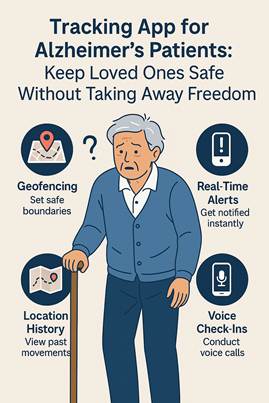
Caring for someone with Alzheimer’s brings both love and an ever-present sense of worry. Families often ask: How can we protect our loved ones without making them feel trapped? Modern tracking apps have emerged as gentle solutions, and among them, mySeniorCareHub stands out by blending smart features with a real understanding of caregiving challenges.
Let’s see how features like geofencing, real-time alerts, location history, and voice check-ins create not just safety, but a sense of shared reassurance.
Why Tracking Apps Matter
Wandering is one of the most concerning behaviors associated with Alzheimer’s. According to the Alzheimer’s Association, 6 in 10 people living with dementia will wander at least once. For families, this risk can turn daily routines into daily worries.
A thoughtfully designed tracking app like mySeniorCareHub helps in three key ways:
Reduces worry: Caregivers can check the location anytime without calling repeatedly.
Supports independence: Loved ones keep some freedom of movement.
Acts quickly: Alerts ensure a fast response if something unusual happens.
Feature Spotlight: How mySeniorCareHub Keeps Loved Ones Safe
Here’s a closer look at the core features in a clear table:
Feature
What It Does
Why It Helps Families
Geofencing
Set safe zones (e.g., home, park)
Alerts when loved one leaves these zones
Real-Time Alerts
Immediate notification of unexpected movements
Faster response in emergencies
Location History
Shows daily paths and visited places
Understand habits, spot new risks
Voice Check-Ins
Call or send voice notes directly in the app
Combines safety with personal connection
Geofencing: Draw Invisible Safety Boundaries
Geofencing feels almost magical: you define an area where your loved one is usually safe, like their neighborhood or a favorite walking path. If they step beyond, mySeniorCareHub sends an instant alert.
Why this matters:
Offers freedom within a safe space.
Caregivers don’t need to watch constantly.
Alerts come only when needed.
This approach protects dignity while reducing the need for constant supervision.
Real-Time Alerts: Stay Informed Instantly
When caring for someone prone to wandering, time can be everything. Real-time alerts mean the app notifies you immediately if:
Your loved one exits a geofenced area.
They go out at odd hours (e.g., late at night).
The app detects unexpected travel patterns.
These alerts appear as push notifications, ensuring you won’t miss them, even if your phone screen is locked.
Location History: Understand Daily Patterns
Beyond emergencies, location history offers powerful insights:
Track places visited regularly.
Spot new or risky routes.
Discuss safe paths together.
Families can review the week’s paths, noticing if your loved one starts to visit unfamiliar or potentially unsafe places.
Voice Check-Ins: More Than Just Tracking
Safety features matter, but nothing replaces human connection. mySeniorCareHub includes:
Voice calls directly through the app.
Quick voice notes if your loved one prefers short messages.
Benefits:
Comforts loved ones when they feel lost or confused.
Helps caregivers reach out gently, not just monitor silently.
Strengthens daily communication.
Quick Benefits at a Glance
Here’s a point-wise list of how mySeniorCareHub fits into daily life:
Easy setup even for non-tech-savvy caregivers.
User-friendly interface with clear buttons and large text.
Private and secure location sharing limited to trusted family.
Balanced approach: safety + independence.
Peace of mind: know your loved one is safe without calling them every hour.
How mySeniorCareHub Stands Out
While there are many tracking apps, mySeniorCareHub focuses on families dealing with dementia:
Built specifically for seniors and caregivers.
Offers a calm, non-intrusive design.
Prioritizes respect and dignity alongside safety.
In short, it’s not about constant watching—it’s about smart, respectful support.
Supporting Independence, Building Trust
No technology can replace human care. But a thoughtful tool can help families feel less alone in their daily journey.
With geofencing, real-time alerts, location history, and voice check-ins, mySeniorCareHub helps protect loved ones while keeping them connected and respected.
For caregivers, that means fewer sleepless nights. For seniors, it means living with a little more freedom and a lot more safety.
mySeniorCareHub: Best App for Parients Monitoring and Taking Care of Elderly Parents
App for Parents Monitoring and tracking their location for Safety is nessacery for everyone.
As our parents age, our roles reverse.
Suddenly, we’re the ones who check if they’ve taken their meds…
If they reached home safely from the evening walk.
If they remembered to eat lunch.
If they’re okay after that faint headache they mentioned yesterday.
But with jobs, kids, cities, and sometimes continents between us, how do we do it all?
That’s where mySeniorCareHubcomes in. This isn’t just an app. It’s your way of being there, even when life doesn’t allow you to. App for Monitoring and Taking Care of Elderly Parents
Why This App Is a Lifesaver for Modern Families
Unlike generic health trackers, mySeniorCareHub is built specifically for elder care. It thinks like a caregiver. It feels like a family member.
Let’s break down what it offers—and why each feature can make a real difference:
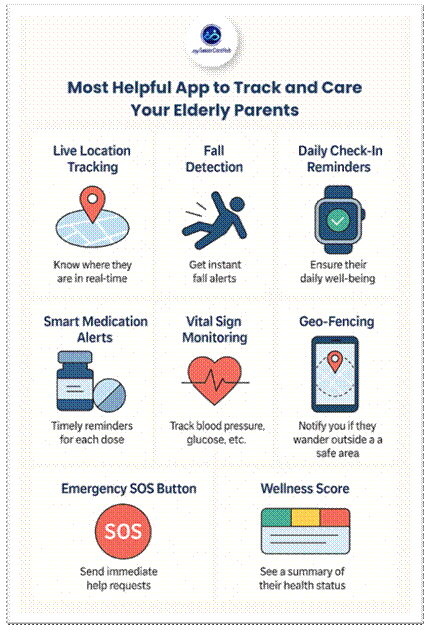
A single tap alerts family and emergency contacts—with exact location. Fast, reliable, and possibly lifesaving.
Wellness Score
A smart visual summary of their current health—colour-coded and easy to understand for everyone.
Story from Real Life: How the App Turned into a Lifeline
Ritika, a marketing manager in Bangalore, installed MySeniorCareHub for her father, who had recently started forgetting his medications. One evening, he had a minor fall while feeding the dog. The fall detection features immediately alerted her, and she coordinated with a neighbour to reach him.
“It wasn’t serious, thank god,” Ritika says. “But I wasn’t even in the same city. Without the app, I wouldn’t have known for hours. That changed everything for me.”
Built for Them. Managed by You.
Worried that your parents won’t be able to use it?
Don’t be. MySeniorCareHub was designed with seniors in mind:
Large, readable fonts
Minimal steps to complete tasks
Voice assistance for ease
Remote control: You can set up everything from your phone
They don’t need to be tech-savvy. You handle the setup. They just tap, click, and live freely.
Not only for emergencies!
Yes, this app shines during emergencies. But the real magic is in the everyday things it helps with:
You’ll know if your dad skipped his morning walk.
You’ll get a summary of your mom’s weekly blood pressure trends.
You’ll be able to sleep at night knowing they pressed the “I’m okay” button before bed.
Elders prone to falls or chronic health conditions
Anyone who wants a safety net for their loved ones
Being Present, Even from a Distance
We can’t pause our lives. But we also can’t ignore the growing needs of our ageing parents.
MySeniorCareHub lets you stay connected, informed, and prepared—without being intrusive or overbearing. Because care doesn’t always need to be loud or visible. Sometimes, it just needs to be consistent.
It’s time to take a step toward smarter elder care. Because love deserves tech that understands it.
When You Can’t Be There All the Time, Smart Check-Ins Can Help You Care Without Constant Calls
“Is she Okay ?” “Did she take her meds?” “Did she wake up feeling okay today?”
These questions run through my mind every single day. But like many people in their 20s or 30s, I also work full-time, live in a different city, and can’t keep calling my grandmother every few hours to check in.
Every missed call from her makes my heart race. Every unanswered text feels like a warning sign.
But here’s the truth: she’s not neglecting me—she’s just tired, busy, or sometimes she doesn’t feel like talking. And I’m not a bad caregiver. I just can’t be everywhere at once. That’s why I turned to smart daily check-ins—not to replace care, but to support it.
The Silent Struggles of Long-Distance Caregivers
Caring for elderly loved one remotely comes with its emotional weight. You experience anxiety when they don’t respond, guilt when you’re unavailable, and helplessness when something unexpected goes wrong.
Especially with seniors who live alone or are recovering from illness, the early signs of trouble are subtle:
And many times, these warning signs go unnoticed until they become emergencies.
A Personal Story: The Missed Call That Wasn’t Just a Missed Call
My grandmother didn’t answer her phone or reply to my regular morning message two months ago. It was a busy Monday morning at work, but something didn’t feel right.
I asked my neighbour to check in. She found my grandmother lying down, dizzy and weak. She skipped breakfast, forgot her morning meds, and didn’t drink water because she felt “a little off”.
That “little off” was the beginning of a drop in her blood pressure—something that could’ve turned dangerous.
That incident stayed with me. I realised that care needs to be proactive, not reactive.
How Smart Check-Ins Make the Invisible, Visible
That’s when mySeniorCareHub entered my life, a tool that helps bridge this gap without making seniors feel like they’re being watched constantly.
Gives an overview of daily well-being without overwhelming the caregiver
Instead of guessing how she’s doing, I now get a simple, colour-coded wellness update. If something’s off, I know it—without waiting for a call that might never come.
The Medical Importance of Daily Monitoring
Elderly people—especially those living alone—are at higher risk of dehydration, hypotension (low BP), and hypoglycaemia (low blood sugar). These are conditions that don’t always present with loud symptoms. The first sign is often just:
A skipped meal
Feeling too tired to move
A missed check-in
But these “small” moments are medically significant.
Symptom
What It Might Indicate
Missed meal + dizziness
Early signs of low blood sugar or BP
No check-in + excessive sleep
Fatigue, depression, or medication side effects
Unusual mood during check-in
Cognitive decline, isolation, or infection onset
Catching these early gives us time to intervene—to send help, adjust a routine, or simply check in at the right moment.
You Don’t Have to Call 5 Times a Day to Be a Good Caregiver
There’s a lot of guilt tied to caregiving from a distance. We worry that using tech means we’re replacing human connection. But in reality, it’s the opposite.
Technology like mySeniorCareHub doesn’t replace love—it supports it. It gives you the peace of mind that someone is watching over your loved one, even when you’re caught in meetings, stuck in traffic, or on another continent.
Because sometimes, caring doesn’t mean constantly calling. It means setting up systems that catch the whispers before they become screams.
Final Thought
I still talk to my grandmother every evening. But now, our conversations are less about “How are your ?” and more about “How was the sambar today?” Because I already know she’s okay. The app told me.
If you’re a working caregiver, you’re not failing your loved one. You’re juggling a lot. Let smart check-ins assist you, so you can show up with more calm, more confidence, and more love.
Consider the following scenario: your elderly parent goes for a quick evening stroll, something they have done a hundred times. But this time, they don’t return. The result? Hours of anxiety for caregivers and a very real risk of harm for the senior. For families caring for someone with dementia, this fear is all too real. Wandering is a common and harmful sign of cognitive decline, not just a possibility. In countries like India, where multigenerational homes and active senior lifestyles are common, the freedom to move around is important—but so is safety. This balance becomes even more delicate when dementia enters the picture.
But now, with the help of innovative technology, there’s a way to act before it becomes an emergency.
Understanding Dementia and the Risk of Wandering – Seniors SafetyApp
Dementia isn’t a single disease but an umbrella term for conditions that impair memory, judgment, orientation, and reasoning. Alzheimer’s disease is the most common form, followed by vascular dementia and others. These conditions are progressive, which means that symptoms worsen over time, and they affect not only memory but also the ability to recognize people, places, and even one’s own home.
Wandering is one of the most upsetting behavioural symptoms that dementia patients experience. It can occur at any stage but becomes more frequent as the disease progresses. Patients might wander for various reasons:
Disorientation: Even familiar environments can feel strange.
Restlessness or boredom: Some individuals have a natural tendency to walk or pace.
Searching for something: Like a person, place, or object from their past.
Stress or fear: A noisy environment or a sudden change in routine might trigger them.
Delusions or confusion: Believing they need to “go home” even when they’re already there.
According to international studies, up to 60% of people with dementia will wander at least once, and many more will do so repeatedly. What makes this behaviour particularly concerning is that it’s unpredictable and can lead to accidents, dehydration, exposure to the elements, or even traffic injuries. And sadly, some cases end in tragedy when a lost individual isn’t found in time.
In many cases, by the time a caregiver realizes their loved one is missing, precious minutes or hours have already passed.
When Technology Becomes a Lifeline: mySeniorCareHub to the Rescue –Seniors SafetyApp
While there’s no way to eliminate the risk of wandering entirely, early alerts and real-time tracking can make all the difference. mySeniorCareHub is a comprehensive elder care app that aims to offer not only convenience but also security and comfort.
The app serves as a digital safety net with features like geo-fencing and real-time location tracking, particularly for families taking care of elderly people with dementia.
Geo-Fencing: Creating Safe Zones
Caregivers can set up customizable safe zones like “home,” “local park,” or “neighbour’s street.” These are virtual boundaries on the map. The moment the dementia patient crosses any of these marked territories, the app sends an instant alert to the caregiver’s phone.
For instance, you will not have to wait until after hours to find out if your loved one leaves your housing society gate or wanders past the corner.
While allowing caregivers to step in before problems arise, geofencing quietly operates in the background to give seniors a sense of independence.
This feature is especially helpful in urban Indian neighbourhoods, where short trips to temples, parks, or shops are common. The objective is to prevent freedom from becoming a threat, not to impose restrictions on movement.
The Track 360 and Live Location Sharing features offer something even more crucial: the ability to track your loved one’s location in real time. With GPS-enabled tracking, caregivers can:
Check exactly where the senior is at any moment.
Navigate directly to their location if they need help.
Share the live location with neighbours or authorities in an emergency.
This can turn a 3-hour search into a 5-minute rescue.
The goal is support, safety, and peace of mind, not surveillance. Empathic use of this technology has the potential to save lives.
More Than Just Safety: Strengthening Emotional Connections with Daily Check-Ins
Dementia care is also about emotional connection and routine reassurance. Seniors living with memory issues often experience confusion, loneliness, and anxiety, especially when left alone for long periods. That’s why mySeniorCareHub goes beyond location tracking, offering features that help foster daily engagement between seniors and their caregivers.
Daily Check-In: A Simple Prompt, A Powerful Tool
The Daily Check-In feature is an automatic prompt sent to the senior at a set time each day. It asks a simple question—something like “Are you okay?” or “Tap to check-in.” Once the user responds, the app notifies caregivers that everything is fine.
Suppose there is noresponsewithinaspecifiedtimeframe. In that case, the app promptly alertsthecaregiverorfamilymember, encouraging them to check in—whether by call, video chat, or in person.
This tool serves several key purposes:
Maintains a daily touchpoint between the senior and their loved ones.
Acts as a quick wellness indicator, especially for seniors living independently.
Gives early warning indicators of problems, such as disorientation, confusion, or falls.
In dementia care, routine is powerful. Having a predictable check-in system gives seniors a comforting sense of structure while reassuring caregivers that their loved one is okay, even from afar.
Every day, mySeniorCareHub fuses compassion and technology to make dementia patients feel heard, seen, and cared for.
Empowering Care, Preserving Dignity: The Future of Dementia Support
Caring for someone with dementia is a journey filled with love, patience, and constant concern. The risk of wandering, emotional isolation, and sudden confusion can leave even the most attentive caregivers overwhelmed. But with the right support system in place—one that combines human compassion with intelligent technology—this journey can become less stressful and more secure.
This is exactly what mySeniorCareHub offers:
Real-time GPS tracking that reduces panic in emergencies.
Geofencing alerts that act before things go wrong.
Daily check-ins that maintain connection and detect trouble early.
Track360 tools that bring emotional warmth into tech-based care.
These are not just features—they are lifelines that allow caregivers to act faster, reduce worry, and focus more on nurturing their loved ones rather than fearing for their safety.
In India, where multigenerational households are still common but working professionals often stay away from home, tools like mySeniorCareHub become even more vital. It helps bridge the gap between independence and protection, between distance and care.
Dementia may take away memories, but it doesn’t take away the need to feel safe, valued, and loved. By embracing innovations like geo-fencing and live location tracking, families can provide that safety without sacrificing dignity.
At 72, Mrs. Smriti Singh began her morning in the kitchen, preparing her favorite breakfast. The warm scent of herbal tea filled the air, mixing with the aroma of whole-grain toast. But, beneath her cheerful smile, Smriti was troubled by something she had been experiencing for months: uncomfortable bloating and gas that seemed to follow her after every meal.
Many seniors experience similar digestive problems, so this is not just Mrs. Smriti’s story. The digestive system, which once functioned smoothly, can become unpredictable and inefficient. Minor lifestyle changes can help with problems such as bloating, flatulence, and constipation. Let’s discuss ways to enhance your digestive comfort and lead healthier lives!
Knowing About Gut Health in Elderly People
As we age, our digestive systems undergo various changes, such as modifications in the biome of gut bacteria and acid production. Think of your gut as a busy factory that helps break down food, absorb nutrients, and keep your immune system strong. When we’re young, this factory runs smoothly, with all its machines working perfectly. As we age, however, some of those machines may slow down.
This can lead to problems like constipation, bloating, and discomfort, similar to a factory that is having trouble keeping up with demand.
Common Digestive Concerns in Seniors
Our digestive systems may experience some difficulties as we get older. This is a helpful guide to some common digestive problems that many older people encounter and some easy ways to deal with them.
Common Digestive Concerns in Seniors
Our digestive systems may experience some difficulties as we get older. This is a helpful guide to some common digestive problems that many older people encounter and some easy ways to deal with them.
Digestive Concern
What It Is
Why It Happens
How to Help
Constipation
Difficulty passing stools, leading to bloating and discomfort.
Lack of fibre and water slows digestion, like a factory getting backed up.
Eat more fibre (fruits, veggies, whole grains). Stay hydrated. Engage in regular physical activity.
Acid Reflux & GERD
Stomach acid flows back into the oesophagus, causing heartburn and discomfort.
Overeating or consuming trigger foods leads to acid overflow, like a factory spilling over.
Stomach feels swollen or full due to excess gas, causing pressure and pain.
Certain foods (beans, carbonated drinks) and some medications produce extra gas.
Eat slowly to reduce swallowed air. Limit fizzy drinks. Track and avoid problem foods.
Understanding these common digestive concerns and how to manage them can help seniors take proactive steps to keep their “factory” running smoothly. By making a few changes, you can keep your stomach happy and enjoy your meals!
Common Culprits
Many drugs can contribute to digestive discomfort, bloating, and gas. Here are a few common culprits:
Pain Relievers: Opioid pain relievers can slow down the digestive system, leading to constipation and bloating. Nonsteroidal anti-inflammatory drugs (NSAIDs) like ibuprofen can irritate the stomach lining, causing discomfort and gas.
Antibiotics: While antibiotics are crucial for fighting infections, they can disrupt the balance of gut bacteria, leading to diarrhea, bloating, and gas.
Diabetes Medications: Some diabetes medications, like metformin, can cause digestive issues such as nausea, diarrhea, and gas, especially when first starting the medication.
Iron supplements: Frequently used to treat anemia, but they can cause constipation, stomach cramps, and bloating.
What You Can Do
If your medications are causing digestive issues, track your symptoms and discuss them with your doctor. They may adjust your dosage, switch medications, or suggest ways to manage side effects. Never stop a medication abruptly without medical advice. Discomfort can occasionally be reduced by simply changing the timing, such as taking it with food. Always follow your doctor’s guidance for safe use.
Remember, open communication with your healthcare team is key to managing the impact of medications on your digestion. By working together, you can find solutions to minimize discomfort and maintain your overall well-being.
Why to Avoid Taking Too Many PPIs (Proton Pump Inhibitors)
Proton pump inhibitors (PPIs) are common meds that cut down stomach acid, relieving heartburn and ulcers. But using them too much, for too long, can cause problems.
Imagine a pump in your stomach that produces acid that helps in food digestion. PPIs block this pump, so less acid is released. Although this relieves the symptoms of acid reflux, stomach acid is necessary for food digestion and nutrient absorption.
Risks of Long-Term PPI Use
Long-term PPI use can reduce stomach acid, leading to poor nutrient absorption (B12, calcium, iron), which may cause fatigue, nerve issues, and weaker bones. It also increases infection risk (e.g., C. diff) and has been linked to kidney disease and a higher chance of fractures due to reduced calcium absorption.
Are you concerned about the risks associated with PPI? Talk to your doctor about alternatives. Simple lifestyle changes—like avoiding trigger foods, eating smaller meals, and staying upright after eating—can help. Over-the-counter antacids provide quick relief, but they’re not a long-term fix.
Your Digestive Wellness Checklist
Struggling with bloating or constipation? Try these simple, effective changes for a healthier gut!
Fill Your Plate with Fiber
Add whole grains, fruits, and vegetables to prevent constipation.
Include gut-friendly foods like yogurt, kefir, prebiotics, and probiotics.
Cut back on processed foods, excess sugar, and fried items that slow digestion.
Stay Hydrated
Drink at least 8 cups of water daily to keep digestion smooth.
Sip on herbal teas like ginger or peppermint to ease bloating.
Reduce carbonated and caffeinated drinks that may irritate your stomach.
Get Moving
Take a short walk after meals to aid digestion.
Try gentle exercises like yoga or stretching to keep your gut active.
Aim for at least 30 minutes of physical activity most days of the week.
Stress Less, Digest Better
Practice deep breathing or meditation to keep stress from affecting digestion.
Eat slowly, chew thoroughly, and avoid distractions during meals.
Stick to a regular eating and sleeping schedule for a well-balanced gut.
Check-in with Your Doctor
Get routine check-ups to monitor gut health and detect any concerns early.
If using medications like PPIs, discuss their long-term effects with your doctor.
Stay aware of ongoing digestive discomfort and seek medical advice if needed.
Small Changes, Big Results! Making these small adjustments can help you feel lighter, more energetic, and free from digestive discomfort. Start today—your gut will thank you!
How mySeniorCareHub Can Help
Managing digestive health can be overwhelming, especially for seniors juggling multiple medications and dietary needs. mySeniorCareHub makes it easier by providing personalized health tracking, medication reminders, and dietary guidance all in one easy-to-use platform. From monitoring digestive symptoms to ensuring timely hydration reminders, our app supports seniors in making healthier lifestyle choices. With mySeniorCareHub, caregivers and family members can stay informed and provide better support, ensuring a happier, healthier life for their loved ones!
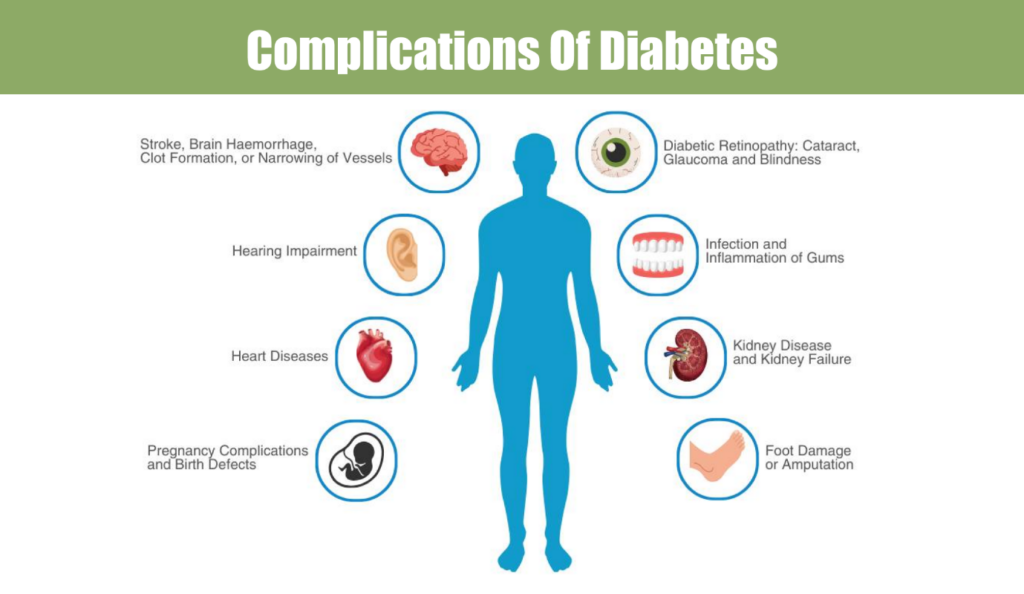
What if managing your health felt like walking a tightrope—one wrong step, and you risk serious complications? That’s the reality for nearly 1 in 4 adults over 65 living with diabetes. When blood sugar rises too high, it silently damages vital organs like the heart, kidneys, and nerves. On the other hand, if it drops too low, it can cause dizziness, confusion, or even fainting, increasing the risk of falls and injuries. Striking the right balance is crucial, yet often challenging, for seniors. Everyday choices, like taking medications, scheduling workouts, and deciding what to eat, are essential for maintaining stability. With the right knowledge and proactive care, seniors can lead full, active, and independent lives without imposing restrictions. Let’s break down what happens in diabetes and how it affects older adults.
What Happens in Diabetes? Understanding the Basics
Imagine your body as a car—glucose (sugar) is the fuel that keeps it running, and insulin is the key that allows the fuel to enter the engine (your cells). But in diabetes, this process is disrupted. Either the body doesn’t make enough insulin (Type 1 diabetes) or it can’t use insulin properly (Type 2 diabetes), leading to high sugar levels in the blood. Over time, this extra sugar acts like rust, slowly damaging vital organs like the heart, kidneys, and eyes. Seniors are particularly vulnerable to type 2 diabetes because as we age, our cells’ capacity to absorb sugar decreases.
Why Are Older Individuals More at Risk?
Diabetes is not a condition that appears suddenly; rather, it develops gradually and becomes more difficult to control with age. Here’s why seniors are more vulnerable:
Slower Metabolism: As we age, the body processes sugar more slowly, allowing it to linger in the bloodstream longer. Muscle Loss: Although muscles aid in the absorption of sugar, blood sugar regulation becomes more difficult as people age. Multiple Medications: Many seniors take medicines for high blood pressure or cholesterol, which can interfere with how the body handles glucose. Masked Symptoms: Common symptoms of high or low blood sugar, such as fatigue, dizziness, or confusion, are frequently misdiagnosed as normal aging, delaying diagnosis.
Because of these hidden challenges, regular checkups are necessary. Diabetes detection at an early stage can help manage complications. Next, let us talk about the warning signs that should never be ignored.
Warning Signs You Should Never Ignore
Always thirsty? High blood sugar makes your kidneys work overtime, leading to constant thirst and frequent urination. Weight Loss Without Trying? When your body cannot use sugar, it starts burning fat and muscle for energy. Feeling Exhausted All the Time? If sugar isn’t reaching your cells properly, your body runs out of fuel, leaving you drained. Blurred vision? Swings in blood sugar can affect the eye’s lens, making everything seem hazy. Wounds Healing Slowly? Poor circulation due to diabetes means cuts and bruises take longer to recover. Tingling or Numbness in Hands & Feet? Nerve damage from high sugar levels can cause a persistent pins-and-needles sensation.
Ignoring these signs can make diabetes harder to manage later. Immediately check your blood sugar levels if you experience any of these symptoms.
Mastering the Diet Game: Eat Smart, Stay Strong
What you eat plays a huge role in controlling your diabetes. Making smart food choices doesn’t mean giving up everything you love—it’s about balance and mindful eating.
Simple Meal Swaps for Better Sugar Control
Brown rice instead of white rice: More fibre, slower sugar release
Whole wheat roti instead of maida-based bread: Prevents sugar spikes
Greek yogurt instead of flavoured yogurt: Less sugar, more protein
Nuts or seeds instead of sugary snacks: Keeps hunger in check without raising sugar
Baked or grilled food instead of fried: Reduces unhealthy fats that worsen insulin resistance
The Golden Rules of Portion Control
Even healthy foods can raise blood sugar if eaten in excess. Follow these simple rules:
Eat at regular intervals: Avoid long gaps to prevent sugar dips and spikes
Chew slowly: It gives your body time to recognize fullness and prevents overeating
Hydration Is Important: Dehydration can make blood sugar rise unexpectedly. Staying hydrated helps the kidneys flush out excess sugar and keeps energy levels steady.
Move It to Control It: Exercise That Works for You
Exercise helps the body use insulin more effectively, keeps blood sugar levels stable, and reduces the risk of complications like heart disease and nerve damage.
What types of exercise are safe and effective for seniors?
Walking: A 30-minute walk daily can help control blood sugar.
Chair exercises: Ideal for those with mobility issues.
Yoga or Tai Chi: Improves flexibility, balance, and stress levels.
Resistance training: Light weights or resistance bands help maintain muscle strength.
Fun Ways to Stay Active Without Feeling Overwhelmed
Dancing to your favourite music for a fun cardio boost.
Gardening to stay active while enjoying nature.
Playing with grandchildren or pets to keep moving without it feeling like exercise.
Take the stairs instead of the elevator for a simple way to add movement.
Joining a community group for social motivation.
Dodge the Danger: Preventing Serious Complications
Diabetes can silently damage organs, but simple precautions can prevent major complications.
Foot Care: Avoiding Infections and Injuries
Check feet daily for cuts, redness, or swelling.
Wash, dry, and moisturize (avoid lotion between toes).
Trim nails carefully and wear well-fitted shoes.
Never walk barefoot to prevent unnoticed injuries.
Keeping Your Heart and Kidneys Healthy
Monitor blood pressure and cholesterol.
Limit salt and stay hydrated.
Exercise regularly and avoid smoking/alcohol.
Protecting Your Vision and Nerves
Get annual eye exams and manage blood sugar.
Take breaks from screens and wear sunglasses.
Watch for tingling or numbness in hands and feet.
Caregiver’s Corner: Being the Best Support System
Caring for someone with diabetes requires teamwork, patience, and emotional strength. Support starts with simple actions—helping with meal planning, reminding them to take medications on time, and encouraging regular exercise and doctor visits. Emotional well-being is just as important; offering encouragement instead of criticism can make diabetes management less stressful. However, caregivers must also take care of themselves to avoid burnout. Seeking professional assistance is crucial if stress becomes too much to handle or if symptoms worsen despite making efforts. Diabetes management is a team effort, and having a strong support system can make all the difference.
Live A Long and Healthy Life with Diabetes
Diabetes doesn’t have to hold you back; after all, diabetes is a diagnosis, not a destiny. Many seniors manage their condition while leading active, fulfilling lives. Take Mr. Sharma, 72, who was diagnosed with type 2 diabetes a decade ago. Instead of letting it slow him down, he embraced small but impactful changes such as morning walks, mindful eating, and regular monitoring. He keeps track of his health by using mySeniorCareHub to make doctor’s appointments, get reminders for insulin shots and water, and use the SOS feature to notify his family in an emergency. His routine is also made easier by smart gadgets like wearable glucose monitors and digital health trackers. His story is proof that with the right mindset and support, diabetes can be managed without limiting life’s possibilities.
Managing diabetes doesn’t have to be overwhelming. With mySeniorCareHub, you get the support you need to live healthier, safer, and stress-free. Download the app today and take control of your diabetes journey.
Stay Strong, Stay Steady: Why Fall Prevention Matters
Falling is a normal part of childhood, but even minor falls can have serious consequences as we age. For seniors, a simple trip or slip can lead to severe injuries, loss of mobility, and even life-threatening complications. Falls are the leading cause of injury-related hospitalizations in adults over 65.
The good news? Most falls can be prevented with simple, science-backed strategies! By improving balance, building strength, and making small safety adjustments at home, you can stay steady, move confidently, and continue enjoying life without fear of falling. Let’s explore how!
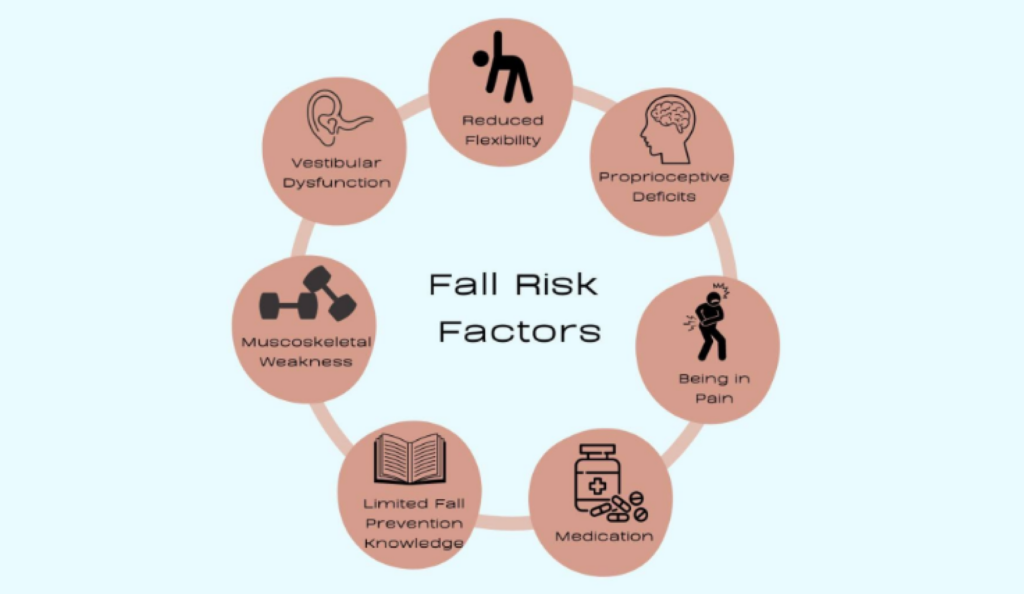
Why Do Falls Happen? Understanding the Risks Falls are more likely to happen to older adults for numerous reasons. Understanding these risks is the first step toward preventing falls.
1. Physical Changes with Age
Muscle Weakness & Loss of Balance
Joint Stiffness & Posture Changes
Slower Reflexes & Coordination
2. Health Conditions
Dizziness & Lightheadedness: Caused by dehydration, low blood pressure, or some medications.
3. Certain medications may contribute to falls due to their side effects:
Blood pressure medications: Can cause dizziness or sudden drops in blood pressure when standing up too quickly (postural hypotension).
Sleep aids, anti-anxiety drugs, and antidepressants: May cause drowsiness, slowed reflexes, or reduced awareness of surroundings.
Over-the-counter antihistamines (e.g., diphenhydramine in sleep aids): Frequent use is associated with memory problems and a higher chance of falling.
4. Home & Environmental Hazards
Slippery Floors & Loose Rugs
Poor lighting at home makes it hard to see obstacles.
Cluttered Walkways
Lack of Handrails or Grab Bars
Recognizing these risks allows you to make minimal but effective changes to maintain stability, safety, and independence!
Simple Steps to Prevent Falls and Stay Safe
Stay strong and active: Regular exercise improves balance, flexibility, and muscle strength. Activities like walking, yoga, and tai chi help maintain stability. Fall risk can be decreased by strengthening your legs with easy exercises like heel raises and squats. A diet high in calcium and vitamin D also helps to maintain strong bones and reduce the risk of fractures.
Make your home fall-proof: Brighten hallways, staircases, and bathrooms to improve visibility, especially at night. Remove loose rugs, clutter, and exposed wires to prevent trips. Installing grab bars in bathrooms and railings on stairs provides extra support. Non-slip mats in slippery areas like the bathroom or kitchen can also help prevent accidents.
Be mindful of medications and health conditions. Some drugs cause dizziness or drowsiness, so ask your doctor to review them. Regularvision and hearing checkups help you stay aware of obstacles. Managing chronic conditionslike arthritis, osteoporosis, orParkinson’s ensures better mobility and balance.
What to Do If You Fall
No matter how hard we try, falls can still occur. A sudden fall can be frightening, but staying calm and knowing what to do can prevent further injury. If you experience a fall, follow these steps:
Stay still and take deep breaths: This helps you relax and regain focus after the shock.
Assess for injuries: Move slowly and check if you feel pain. If something hurts, avoid putting weight on it.
Call for help if needed: If you are injured or unable to stand, seek assistance. If no one is around, use a phone or an emergency alert system to get help.
Use Technology to Your Advantage
With mySeniorCareHub, you don’t have to worry about calling for help after a fall. The app features automatic fall detection, which instantly recognizes when you fall and alerts emergency contacts and caregivers. If needed, it can also connect you to 911 with just one click, ensuring help reaches you as quickly as possible.
Tip: Keeping technology like mySeniorCareHub or a smartwatch with fall detection can provide extra safety, especially if you live alone.
Maintain Your Balance with These Mobility and Fall Prevention Activities
Maintaining strength, balance, and mobility is key to preventing falls. Regular physical activity helps keep your muscles strong and improves coordination, making you less likely to lose balance. Here are some simple yet effective exercises:
Leg Strengthening: Chair squats, heel raises, and leg lifts help build lower body strength.
Balance Training: Standing on one foot, walking heel-to-toe, or practicing tai chi and yoga improves stability and coordination.
Flexibility and Posture: Gentle stretches keep muscles relaxed and reduce stiffness, making movements more controlled.
If you need additional support, mobility aids can enhance safety:
✔ Canes and Walkers: Provide extra stability while walking, reducing the risk of tripping.
✔ Grab Bars and Handrails: Essential for bathrooms and stairways to prevent sudden slips.
✔ Non-Slip Shoes: Supportive footwear with good grip and cushioning can prevent accidental slips.
Eat Well, Stay Strong: Nutrition for Fall Prevention
A balanced diet is just as important as exercise in preventing falls. The right nutrients keep your bones strong, muscles active, and mind alert, reducing the risk of weakness and imbalance.
✔ Boost Bone Health: Get enough calcium (dairy, leafy greens) and vitamin D (sunlight, fortified foods) to prevent fractures. ✔ Strengthen Muscles: Eat protein-rich foods like lentils, beans, dairy, eggs, and nuts to maintain muscle mass. ✔ Stay Hydrated: Dehydration can cause dizziness, so drink enough water and limit caffeine or alcohol. ✔ Support Nerve Function: Omega-3 fatty acids from nuts and seeds help with brain and nerve health, improving coordination.
Pairing good nutrition with exercise keeps you strong, steady, and independent.
Final Thoughts: Stay Active, Stay Safe
With the correct safety measures, routines, and support networks, falls can be avoided and are not an inevitable aspect of aging. By eating a nutritious diet, making your home safer, and using technology like mySeniorCareHub, you can significantly reduce the risk of falls and maintain your independence.
Remember, even small actions can make big differences. Balance exercises, routine health examinations, and a strong support network can help you stay safe, strong, and confident in your daily life.
Technology has made life easier, especially for seniors. With the right apps, older adults can stay healthy, safe, and independent. Smartphones and tablets provide tools that help seniors manage their daily lives more efficiently. Here are ten essential apps every senior should have on their device to maintain their well-being and independence.
Great Apps for Independent Older Adults Who Live Alone
Seniors often have multiple medications to take daily. A pill reminder app helps by sending alerts for medicine schedules. Forgetting to take medicine on time can lead to health complications, but apps like mySeniorCareHub pill reminder ensure seniors never miss a dose. These apps can track dosage schedules, send notifications, and even alert caregivers if a medication is skipped. Some apps also offer features like tracking medication history and providing reports for doctors.
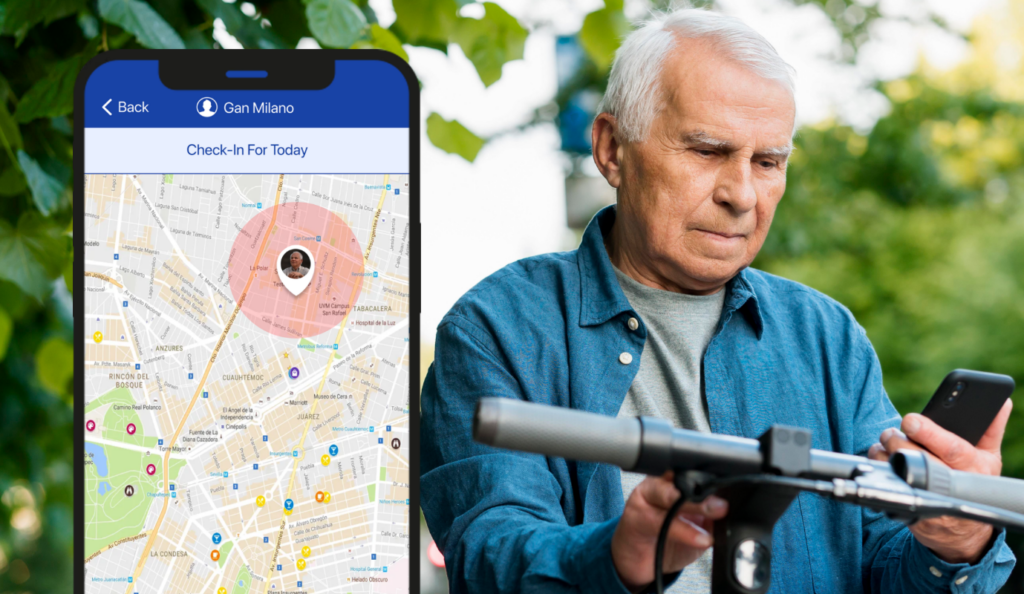
mySeniorCareHub’s Location Tracking feature ensures seniors are always connected and safe, no matter where they are. Using real-time GPS, the app allows caregivers and family members to monitor a senior’s location, track movement, and get instant updates if they step outside predefined safe zones. Whether it’s a trip to the market, a walk in the park, or an emergency situation, mySeniorCareHub helps loved ones stay informed and act quickly if needed. This feature offers peace of mind by combining freedom for seniors with added safety and visibility for families.
In case of emergencies, an SOS alert app can notify family members or emergency services with a single tap. mySeniorCareHub SOS alert app includes features like location sharing, voice-activated emergency calls, and direct alerts to emergency contacts. These apps provide peace of mind, ensuring that help is just a button away. Some SOS apps also integrate with wearable devices, enabling automatic alerts in case of falls or sudden health emergencies.
A wellness score app helps track health by monitoring vital signs and giving personalized health alerts. mySeniorCareHub wellness score app provides a detailed analysis of a senior’s health metrics, helping them stay on top of their well-being. By using AI-powered analysis, these apps provide recommendations on lifestyle changes, alert users about potential health risks, and even notify caregivers about concerning trends.
5. Blood Pressure and Heart Rate Monitor App
Monitoring blood pressure and heart rate is important for seniors, especially those with heart conditions. Apps like SmartBP and Heart Rate Monitor help track these vital signs and send reports to doctors. mySeniorCareHub blood pressure and heart rate monitoring feature allows seniors to monitor their cardiovascular health with ease. Regular monitoring can prevent serious conditions such as strokes or heart attacks. Many of these apps integrate with wearable devices like smartwatches to provide real-time health updates, ensuring seniors stay informed about their cardiovascular health.
6. Blood Sugar Monitoring App
For seniors with diabetes, tracking blood sugar levels is essential. Apps like MySugr and Glucose Buddy make it easy to log and analyze blood sugar readings. mySeniorCareHub blood sugar monitoring feature provides real-time tracking, alerts, and detailed reports to help seniors manage diabetes more effectively. These apps provide reminders to check glucose levels, suggest dietary recommendations, and allow users to share data with doctors. Some apps also integrate with continuous glucose monitoring (CGM) systems, which automatically track blood sugar levels throughout the day, reducing the need for frequent finger-pricking.
7. Senior-Friendly Communication App
Staying connected with family is important for emotional well-being. Simple messaging apps like WhatsApp, Skype, or GrandPad Messenger allow seniors to chat and video call with loved ones easily. Some senior-friendly communication apps feature larger fonts, simplified interfaces, and voice-to-text capabilities, making them easy to use even for those unfamiliar with technology. These apps help seniors maintain social connections and reduce feelings of isolation.
Seniors living alone can benefit from a daily check-in app. mySeniorCareHub assist watch feature reminds seniors to check in and alerts family members if a check-in is missed. These apps provide peace of mind for both seniors and their caregivers. Some check-in apps also offer features like automated wellness questions, location tracking, and emergency alerts to ensure seniors are always safe.
9. Navigation and Ride-Sharing App
Getting around is easier with ride-sharing apps like Uber or Lyft. These services allow seniors to book rides conveniently, reducing the need for driving or relying on others for transportation. Google Maps is another essential app that helps with navigation, making travel safer and more convenient. Some ride-sharing apps now offer senior-friendly options, including assistance for those with mobility aids and easier booking interfaces.
10. Brain Training and Entertainment App
Keeping the mind active is crucial for seniors. Apps like Lumosity and Sudoku provide brain exercises that improve memory, cognitive function, and problem-solving skills. Audiobook apps like Audible and LibriVox offer entertainment and learning opportunities, keeping seniors engaged. Many of these apps also feature puzzle games, trivia, and logic exercises, which help prevent cognitive decline and keep the brain sharp.
Why Choose mySeniorCareHub?
Instead of installing multiple apps for different needs, mySeniorCareHub provides an all-in-one solution that combines pill reminders, emergency alerts, wellness tracking, blood pressure monitoring, and more in a single app. This makes it easier for seniors to manage their health without switching between different applications. With mySeniorCareHub, seniors can access essential features in one convenient platform, simplifying their daily routine and ensuring better health management.
Additional Helpful Apps for Seniors
Aside from the top ten essential apps, here are a few more apps that can be incredibly beneficial for seniors:
Health and Fitness Apps
Fitbit – Monitors physical activity, sleep, and heart rate.
SilverSneakers GO – Offers guided exercise programs specifically for seniors.
Home Assistance Apps
Amazon Alexa – Voice assistant that helps with reminders, smart home control, and information lookup.
Google Home – Provides hands-free assistance for daily tasks.
Grocery and Shopping Apps
Instacart – Allows seniors to order groceries online and get them delivered.
Walmart Grocery – Provides easy grocery shopping with delivery or pickup options.
Finance and Budgeting Apps
Mint – Helps seniors manage their finances and track expenses.
PayPal – Enables secure online transactions and money transfers.
Conclusion
These apps help seniors manage their health, stay in touch with family, and maintain independence. By using these essential apps, seniors can lead a safer and healthier life. If you or a loved one haven’t tried them yet, now is the time! Investing in technology can make aging easier and more comfortable. Whether it’s tracking medication, communicating with family, or ensuring safety, these apps provide the right support for a better quality of life.
As technology continues to evolve, more apps will become available to assist seniors in new and innovative ways. Embracing these digital tools ensures that seniors can stay connected, healthy, and independent for years to come.